Who we are
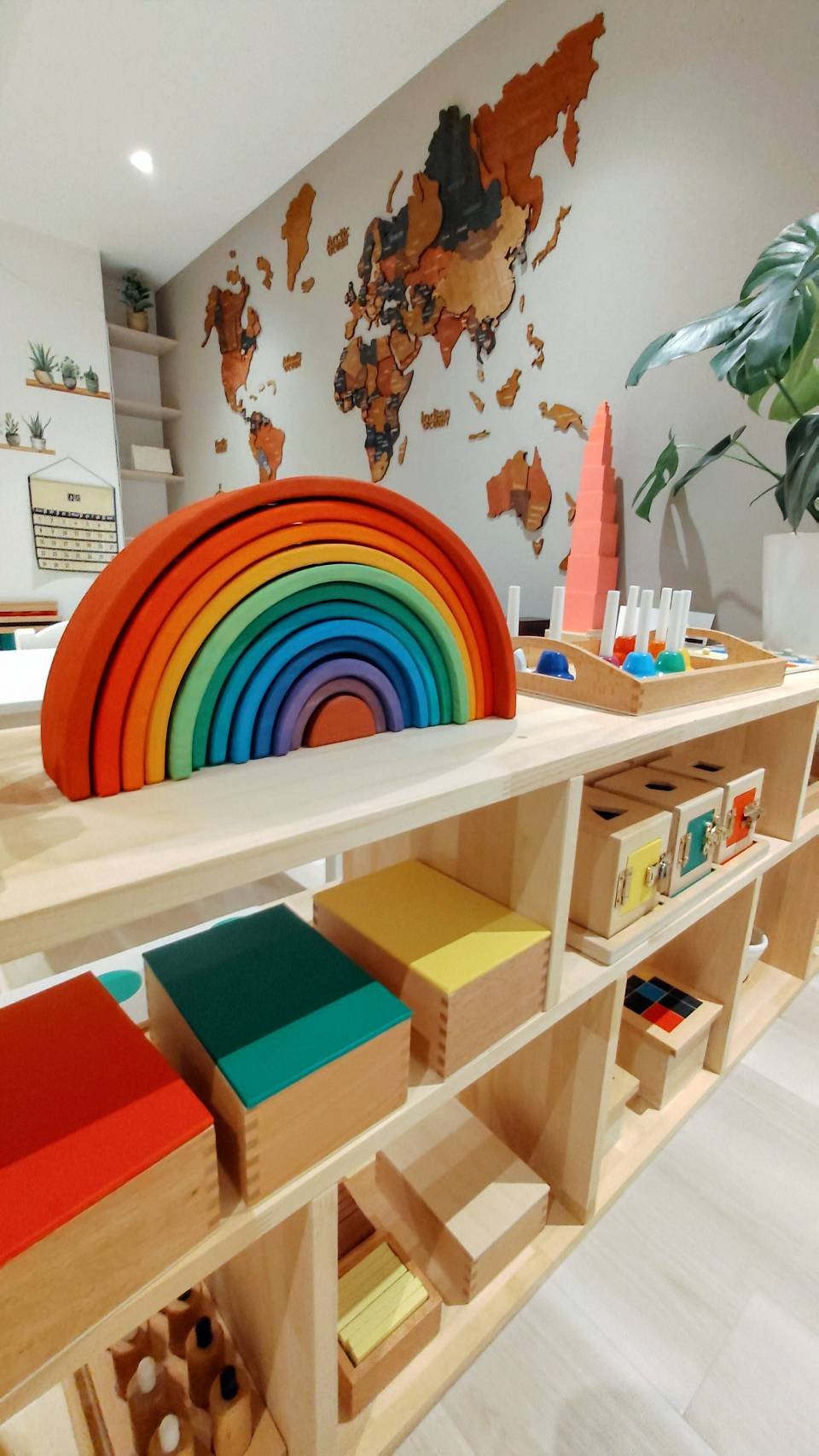
Welcome to Mori Montessori International School,
a warm Montessori community for children aged 3-6, where childhood is treated with reverence. In our bilingual environment, Japanese and English flow naturally through daily life, heard in songs, conversations, and the quiet exchanges of children at work.
We are a Montessori home where each child’s rhythm, curiosity, and cultural identity are honoured.
Our space feels like a lived‑in home:
a tatami room for language arts, a bright kitchen for real cooking, a veranda garden that shifts with the seasons, and a private rooftop where children greet the sky each day. Inspired by the original “Casa dei Bambini” home, our environment invites children to learn through real materials and meaningful experiences.
We keep our groups and child-to-teacher ratio intentionally small so every child is truly seen. Teachers observe closely, offering individual lessons and gentle guidance that allow each child’s unique path to unfold.
Children are introduced to a rich tapestry of subjects: geography, mathematics, botany/biology, art/artists, practical life, sensory exploration, and both English and Japanese language, always through hands‑on discovery and joyful curiosity.
Our programs offer flexibility while preserving the consistency children need to grow with confidence. We celebrate Shinto holidays and well‑known Christian traditions, weaving them into our yearly rhythm with warmth and respect.
Montessori Approach
Montessori education is based on the "observe, then prescribe" philosophy of physician Maria Montessori.
Because learning is tailored to each child's interests, developmental stage, and needs, it differs from mass education, which dispenses the same "medicine" to everyone.
The Montessori approach is to provide optimal learning tailored to each child.
Practical Life
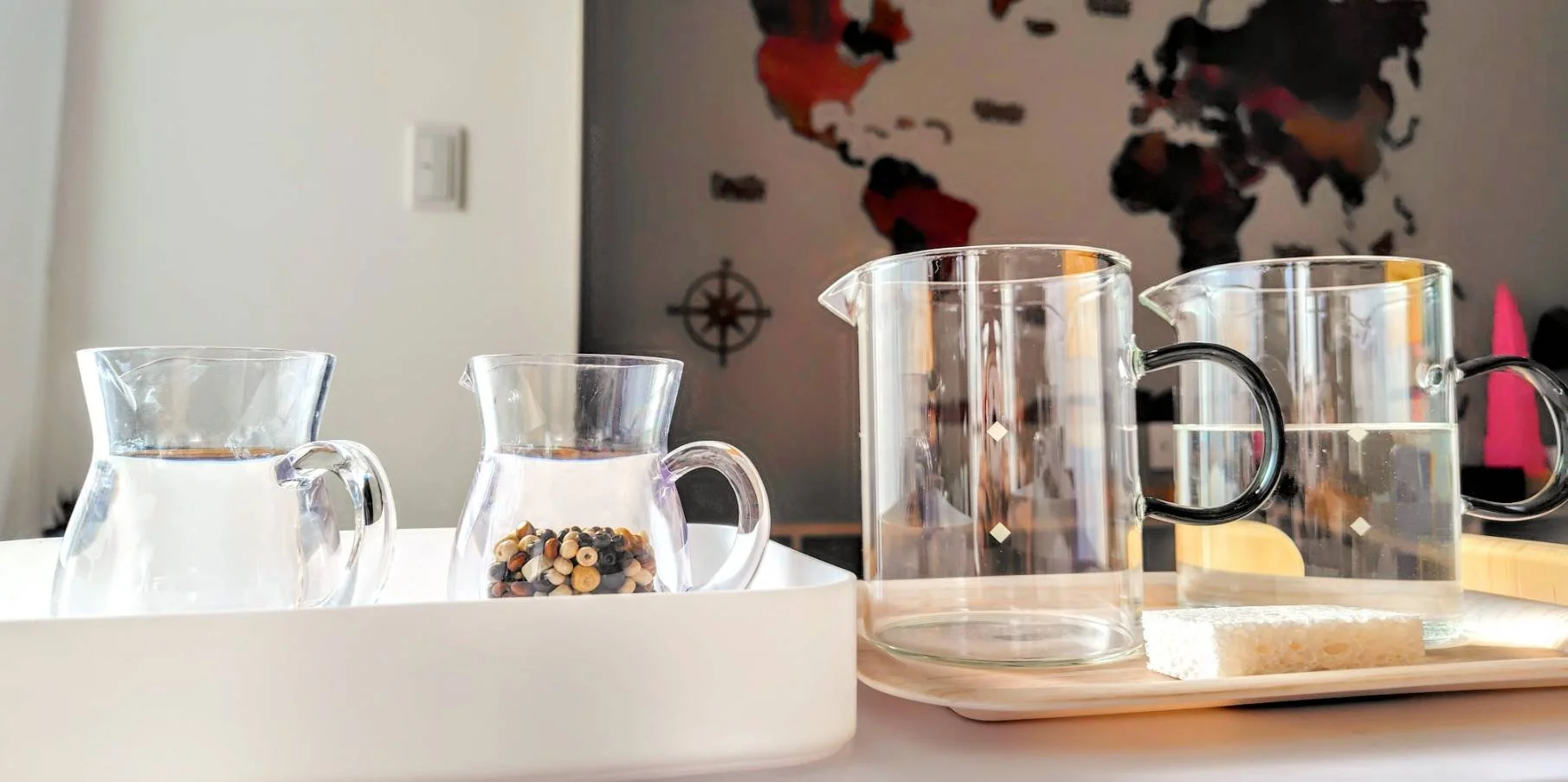
Practical Life activities are the everyday actions children see and experience in their surroundings. Through these activities, children refine their movements, develop balance, build a sense of order, strengthen concentration, and grow in independence. Mastering the work cycle in Practical Life lays the foundation for success in all other areas of the Montessori environment.
Practical Life is traditionally organized into five groups:
• Preliminary Exercises
• Care of the Person
• Care of the Environment
• Grace and Courtesy
• Control of Movement
Mathematics
Montessori math materials give children a hands‑on way to understand numbers and mathematical ideas. Instead of starting with symbols on a page, children first work with concrete objects they can touch, move, and see. This helps them build real understanding before moving on to more abstract concepts. As children grow more confident, the materials gradually become less concrete. By the time they reach abstract work, they already have a strong foundation and a clear mental picture of what numbers truly mean.
In Montessori, math learning is introduced in five main stages:
• Numbers 1–10 and 0
• Decimal System
• Continuation of Counting
• Memorization Work
• Passage to Abstraction
Sensorial
Dr. Maria Montessori called the Sensorial materials the “key to the world.” Children learn about their surroundings through their senses, and these early experiences help them make sense of everything they see, hear, touch, smell, and taste. We support this natural development by offering materials that encourage children to compare, sort, match, and explore. These activities strengthen their ability to notice details, make distinctions, and think logically.
The Sensorial area is organized into six parts:
• Visual Sense (Size & Dimension)
• Chromatic Sense (Color)
• Tactile Sense (Touch)
• Auditory Sense (Sound)
• Olfactory & Gustatory Senses (Smell & Taste)
• Baric & Thermic Senses (Weight & Temperature)
Language EN & JP
In our Montessori environment, children develop the skills to express themselves and connect with others in both English and Japanese. During the sensitive period for language, children naturally absorb sounds, vocabulary, and grammar, and we support this growth through rich conversation, stories, and hands‑on materials.
Children explore:
• Spoken Language
Daily English and Japanese
conversation, songs, storytelling
• Writing
English letter formation and phonics;
Japanese hiragana, katakana,
and beginner kanji
• Early Reading
English phonics, blending, and first
readers; Japanese reading of kana
and simple kanji
• Reading for Understanding
Matching, sequencing,
and simple comprehension activities
in both languages